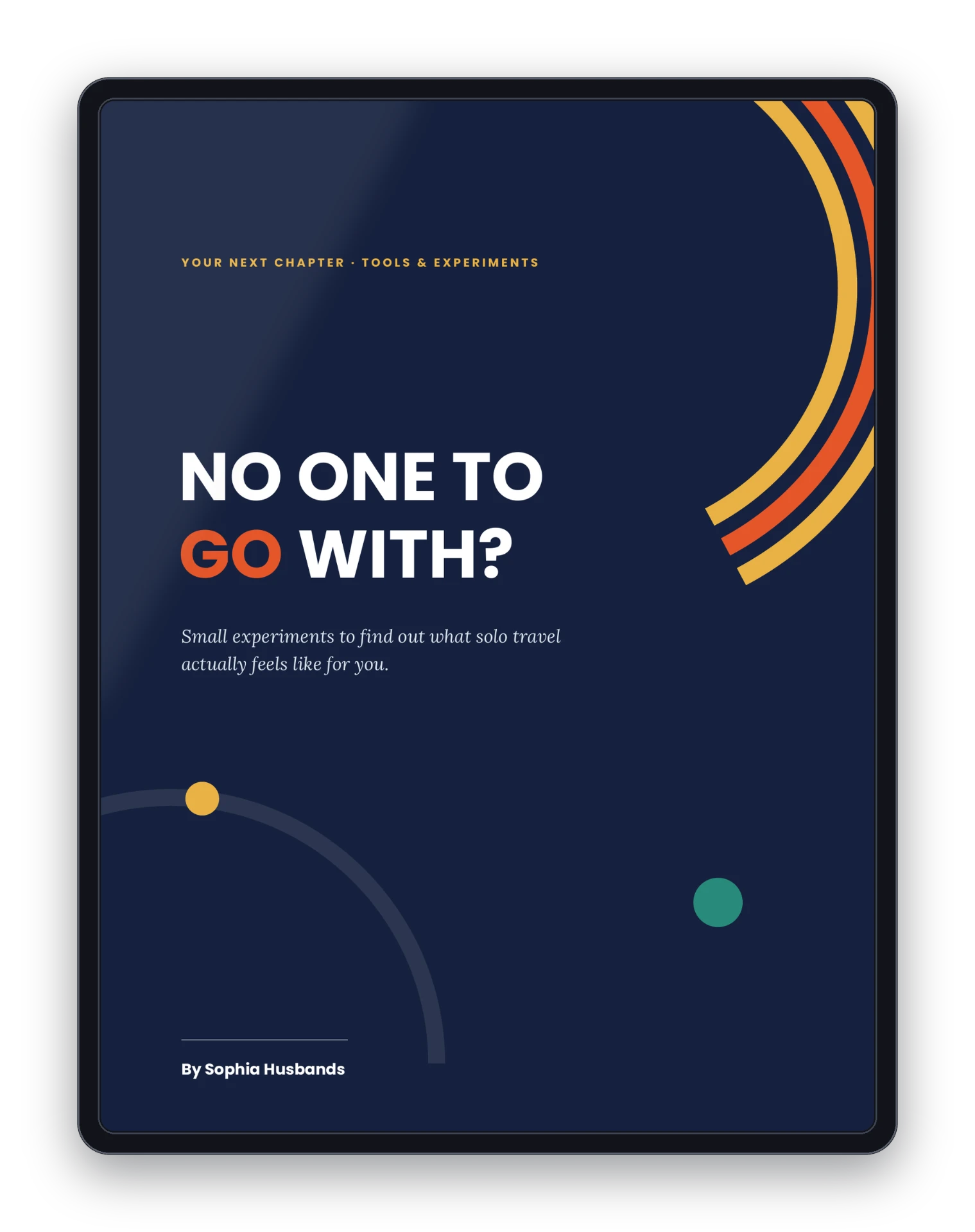
No one to go with?
Want to do something, but not sure how you’ll feel going alone?
A 33-page interactive workbook to help you start small, try a real-life solo experiment and work out what feels right for you.
Limited-time price: £27 £10
What is the bit that makes you stop?
Does eating alone make you feel self-conscious?
Are evenings the part you cannot quite picture?
Are you worried you might feel lonely once you are there?
Do you worry more about your safety when you imagine travelling alone?
Or does your mind go straight to: “What if I book it, spend the money and wish I hadn’t gone?”
You do not have to solve “solo travel” as one big question. You can find out about one part of it first.
Start close to home
Your first solo experiment does not need a passport.
You do not have to start with a flight.
- Have lunch on your own.
- Go to the cinema.
- Visit a museum.
- Try a class or workshop.
- Explore somewhere nearby.
- Take a day trip.
- Book one night away.
- Try solo time within a shared trip.
Start where it feels useful to start. The experiment only needs to be small enough to try and real enough to teach you something.
Real pages
Take a look inside
Three pages from the 33-page interactive workbook.
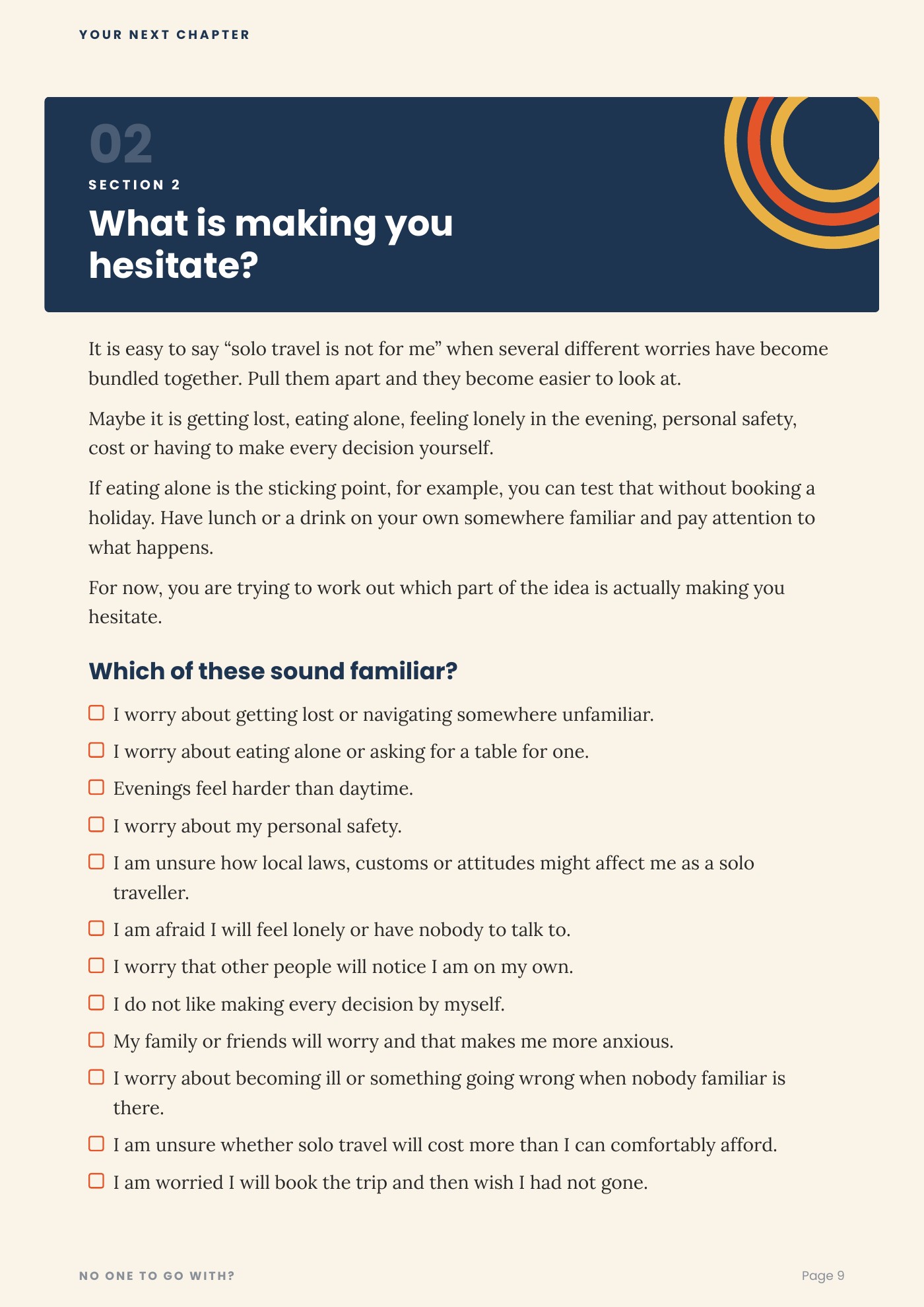
What is making you hesitate?
Start by working out what you are actually worried might happen.
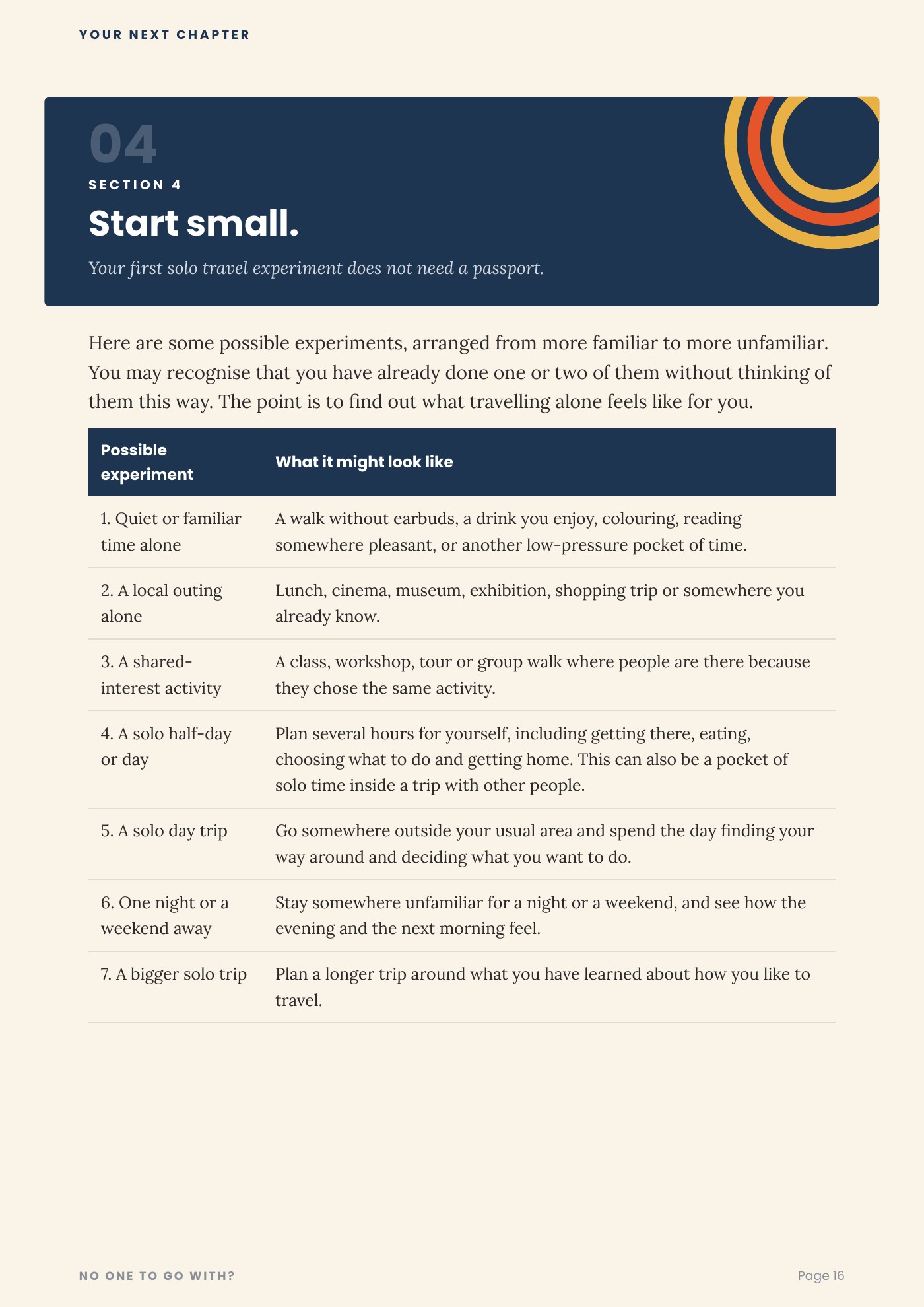
Start small
You do not have to start with the biggest version of the experience.
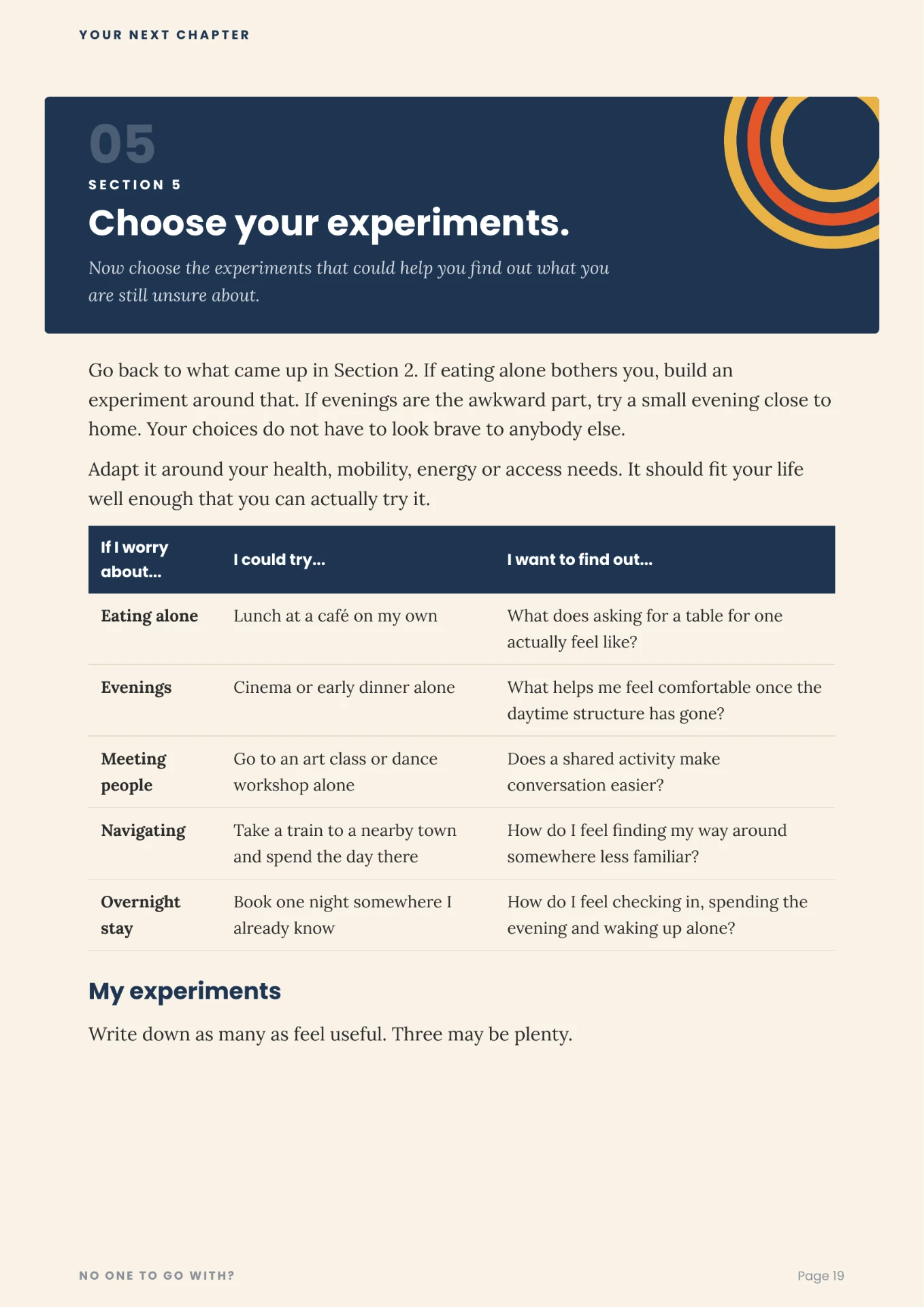
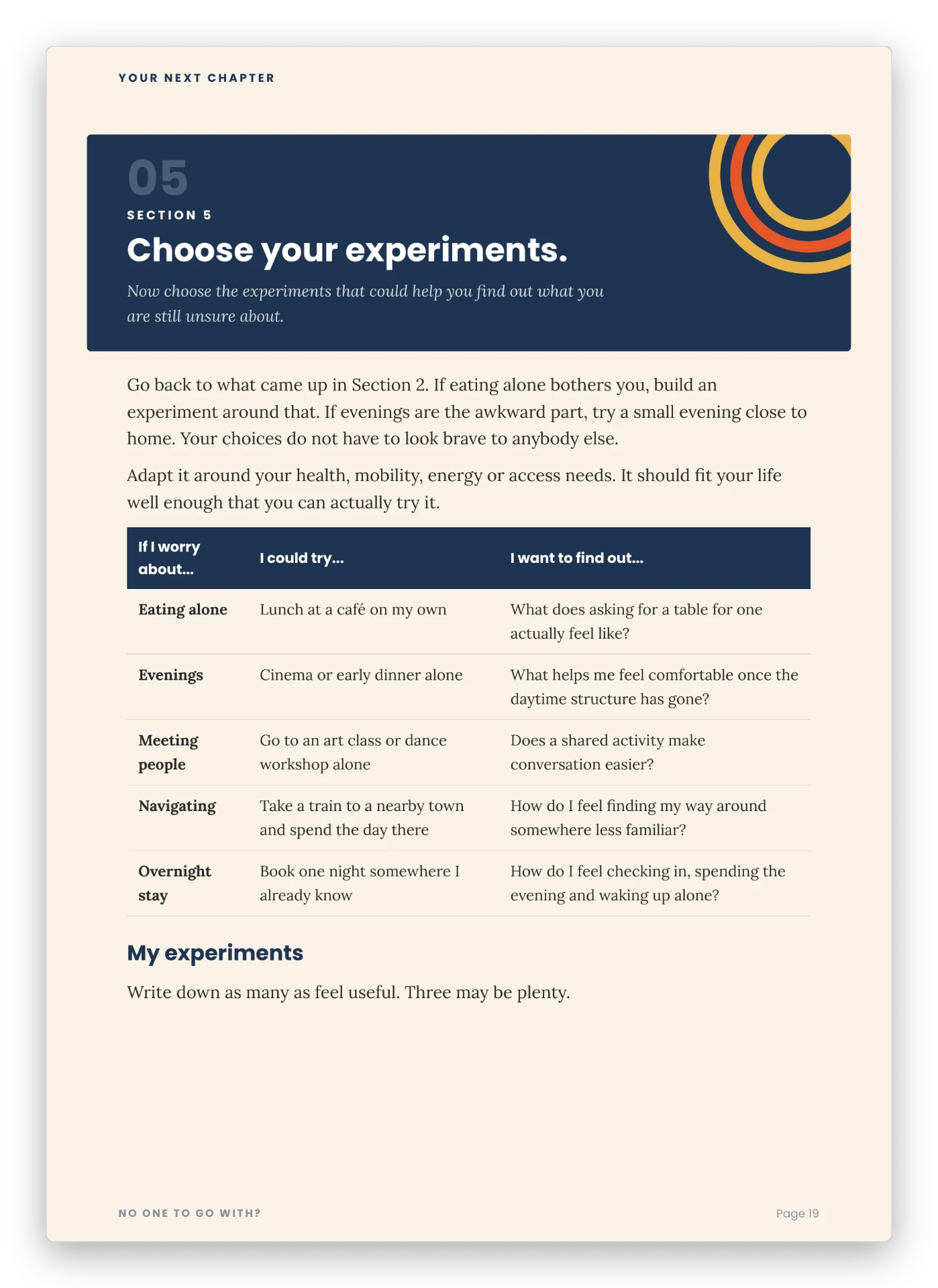
Choose your experiments
Turn the thing you are worried about into a small experiment that helps you find out something useful.
This is a workbook to use, not simply read.
Write in it digitally, print the pages you want, or use the questions alongside your Notes app or notebook.
So how does it work?
- 01
First, notice.
What is actually making you hesitate? Not solo travel as one big idea. The specific bit.
- 02
Then choose.
Pick an experiment that helps you find out something useful. Try lunch alone, a small evening close to home, or navigating somewhere less familiar.
- 03
Give it a go.
You do not have to know beforehand how it is going to feel. Try it and notice what happens.
- 04
Then reflect.
What worked? What surprised you? What felt uncomfortable? What would you change or try next?
You are building your own evidence.
Proof of the approach
I have used this approach myself.
Before I committed to a three-month work stay in Liverpool, I had never lived there and knew nobody. So I drove up for a weekend first.
I gave myself a few anchors — somewhere to stay, places I wanted to visit and things I needed to check — and used the weekend to see how the city actually felt.
I found my way around, talked to people, followed my interests and learnt enough to make the bigger decision. I stayed for the three months.
That is the idea behind the experiments in this workbook: try something real enough to teach you something before deciding what comes next.
What will you know by the end?
I cannot promise that you will finish this workbook desperate to book a solo holiday. That is not really the point.
What I hope you will have is a little more information about you.
- ✓A clearer idea of what is actually making you hesitate
- ✓A shortlist of solo experiments that fit you
- ✓One first experiment you are ready to try
- ✓A simple way to reflect on what happened afterwards
- ✓More real evidence about what travelling alone might look like for you
You may find something feels easier than expected, decide you would do it differently, or choose another small experiment before going further.
All of those are useful answers.
This guide starts somewhere different: with you.
There are plenty of things you can research once you know where you want to go.
This workbook starts earlier.
What is making you hesitate? What already feels comfortable? What could you try? What happens when you actually do it?
It helps you find out what travelling alone might look like for you.
Sophia’s approach
And then there is Travel Mode.
Over time, I noticed something shifts in me when I travel. I call it Travel Mode.
I still plan. I like knowing where I am staying, how I am getting there and having a few things I would like to do. But travel has taught me that a plan is a guide, not a guarantee.
Flights get delayed. Trains get cancelled. The weather changes. Sometimes a place disappoints, and sometimes something you had never planned becomes the best part of the day.
For me, Travel Mode is about dealing with what needs dealing with, letting go of what I cannot change and staying curious about what is around me.
It is having a direction without needing to control every moment. You will find more of that thinking inside the workbook too.
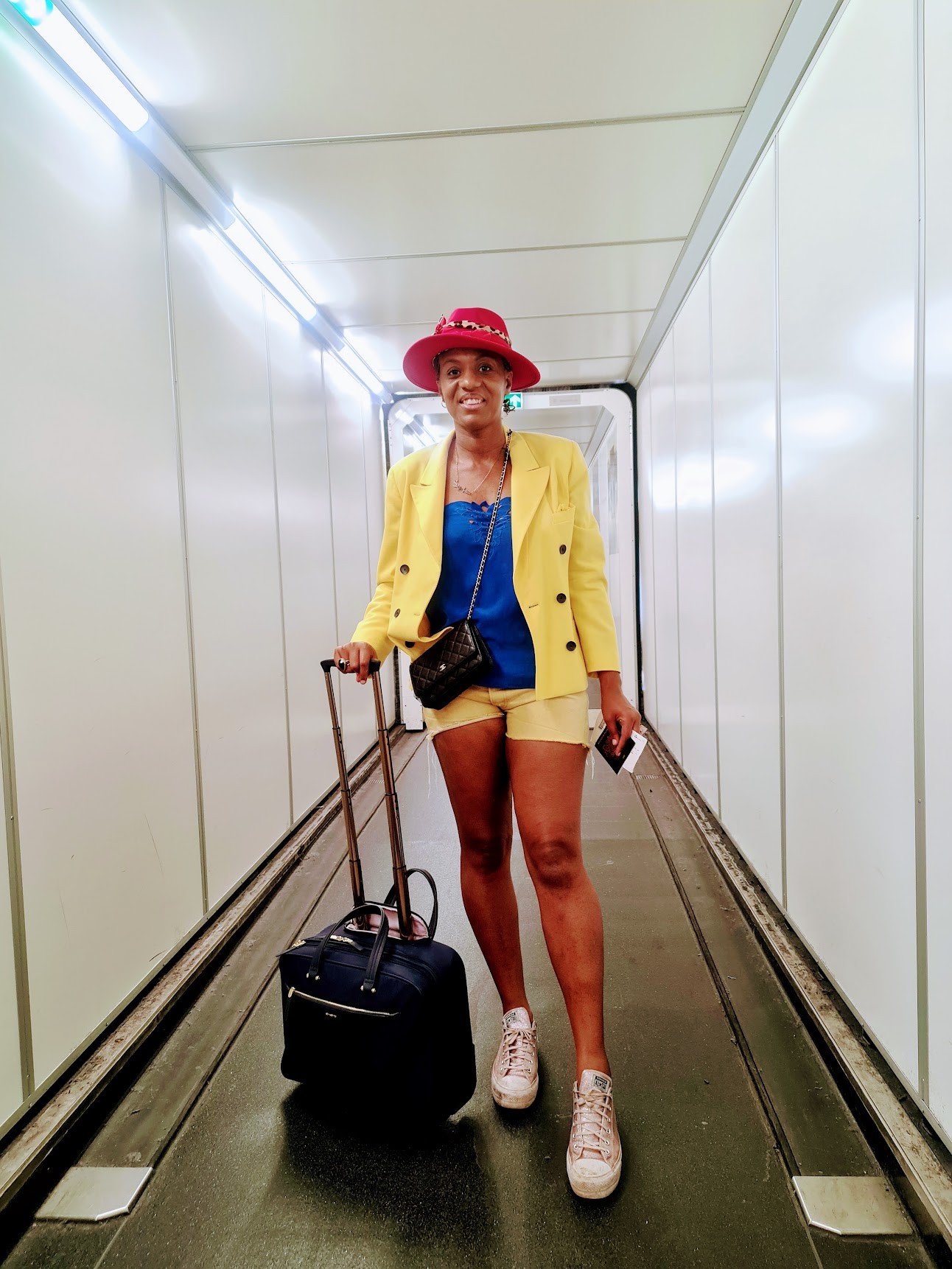
Sophia Husbands
Solo travel feels normal to me now. It wasn’t always that way.
I’m Sophia Husbands, founder of Your Next Chapter.
When people see the places I have travelled or hear me talk about going away on my own, it can sound as though I have always found it easy. I haven’t.
I was apprehensive before my first solo leisure trip. I have felt lonely while travelling alone too. There have been moments when I wished somebody familiar were there.
There have also been trips where going on my own meant I met people, followed my own interests and had experiences I might otherwise have missed.
Eventually I realised that I did not want to keep missing places I wanted to see simply because nobody was available to come with me.
I did not learn to enjoy my own company overnight. It happened through trying things. Going somewhere. Changing the plan. Talking to people. Finding out what worked for me.
That is why I created No One To Go With? Not to tell you that you should travel alone, but to give you a way to find out what it might actually feel like for you.
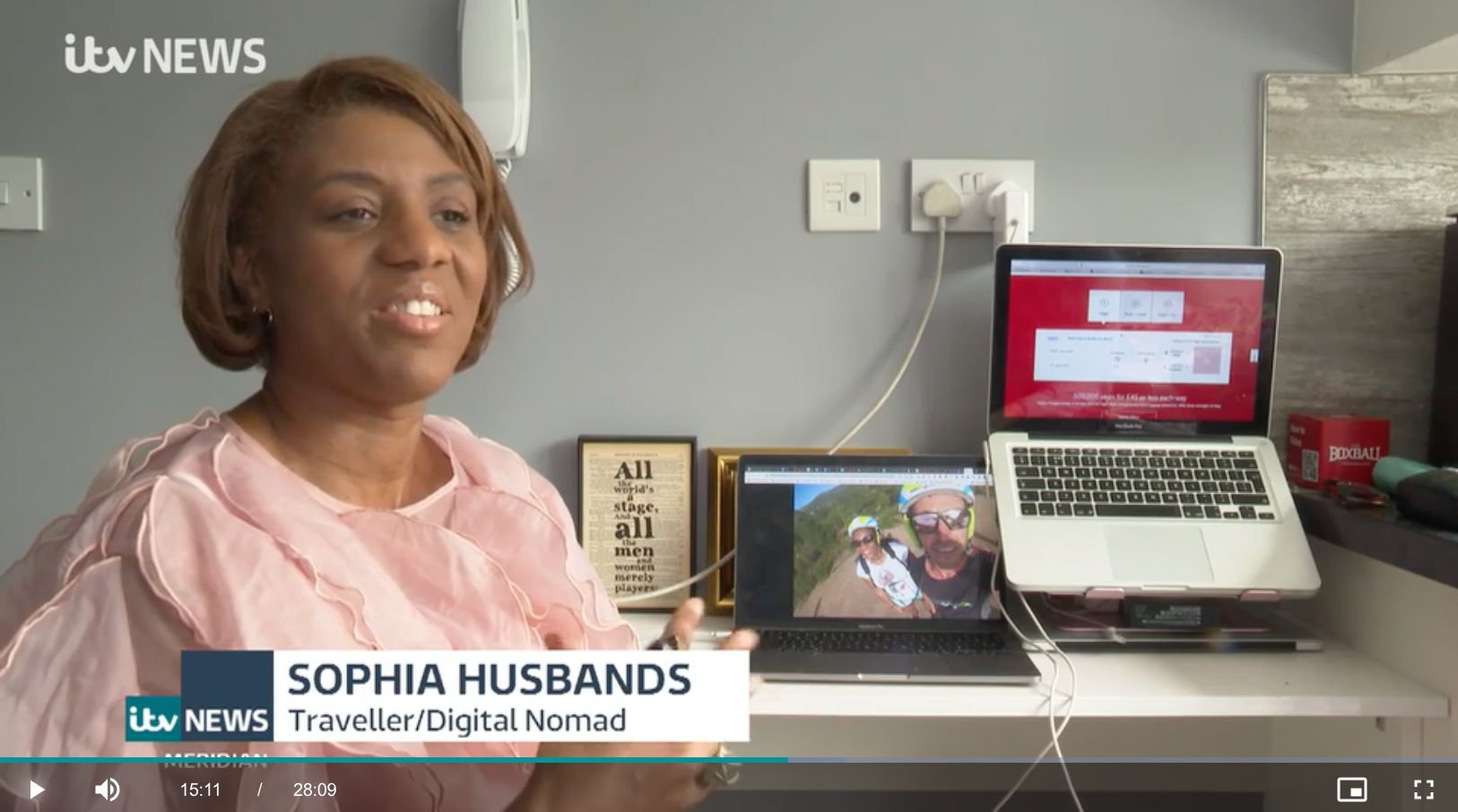
Featured in
ITV • Metro
Sophia’s experiences around travel and changing direction have been featured in the media.
Is this workbook for you?
It may be for you if
- you want to travel but often find yourself waiting for somebody else to be available
- you have done little or no leisure travel alone
- you are curious about solo travel but would rather test it gradually
- you want to understand your concerns rather than simply being told to “be brave”
This may not be the right workbook for you if
- you are mainly looking for destination recommendations or itineraries
- you already travel alone comfortably and are looking for advanced solo-travel advice
- you want somebody else to tell you whether you should take a particular trip
Your first experiment
No One To Go With?
Limited-time price: £27 £10
An interactive solo travel experiment workbook to help you move from wondering to one useful, real-world first step.
Digital interactive workbook. Start whenever you are ready.
Questions
You don’t have to decide today whether you are a solo traveller.
You only need somewhere to start.
Choose one thing. Give it a go. Notice what happens.
And see what you discover.
No One To Go With?
Interactive solo travel experiment workbook · Limited-time price: £27 £10